

Planning a wedding is an exciting, multi-faceted journey filled with incredible milestones. To make the process feel less overwhelming and more organised, it helps to break it down into manageable phases. This guide outlines the crucial stages of a wedding, providing a detailed roadmap from your initial engagement right through to post-wedding follow-ups. We will explore each phase to help you create a celebration that is both beautifully executed and deeply personal.
This article serves as your step-by-step companion, detailing the entire process with clear timelines, actionable checklists, and insider tips. We've included specialised advice for couples planning their dream wedding in the stunning Alicante region and along the Costa Blanca, ensuring your Spanish celebration is flawless. To successfully navigate your entire celebration, a comprehensive wedding planning timeline can serve as your ultimate guide, complementing the detailed stages we will cover.
Whether you are newly engaged and wondering where to begin, or you are in the final months and need to coordinate the remaining details, understanding these distinct stages of wedding planning is key. This structure will empower you to move forward with confidence, ensuring a calm, seamless, and joyful experience. We will explore eight specific phases, each with its own focus and set of priorities, from securing vendors and managing guests to executing the perfect day and handling tasks after the confetti has settled. Let's begin the journey to your unforgettable wedding day.
1. Engagement & Vision Setting (Months 12-9 Before)
This foundational period, immediately following the engagement, is one of the most exciting stages of a wedding. It's dedicated to dreaming big and then grounding those dreams in reality. Here, you and your partner will define the core essence of your celebration, establishing the vision, budget, and priorities that will act as your guiding principles for all decisions to come.
Defining Your Wedding Vision
Your wedding vision is the aesthetic and atmospheric blueprint of your day. It’s about how you want the celebration to feel, not just how it looks. Start by creating a shared digital space, like a Pinterest board or a Google Drive folder, to gather inspiration. Think about your personal style as a couple. Are you drawn to the rustic charm of a countryside finca near Alicante or the sleek, modern elegance of a beachfront club in Jávea?
Consider the season as well. A summer wedding might mean a breezy, seaside ceremony with a light, fresh colour palette, while an autumn celebration could inspire richer tones and a cosier, more intimate atmosphere. This initial brainstorming is crucial for aligning your tastes and creating a cohesive theme.
Budgeting and Priorities
Establishing a realistic budget before you start booking is non-negotiable. This step prevents financial stress and ensures your planning is built on a solid foundation. Begin by determining the total amount you are comfortable spending and who is contributing.
Expert Tip: Always build a contingency fund into your budget, typically 15-20% of the total, to cover unexpected costs or last-minute additions. This provides a crucial safety net.
Once your budget is set, create a list of non-negotiables. These are the top three to five elements that matter most to you. For some, it might be gourmet food and a live band; for others, it could be stunning photography and an open bar. This clarity helps you allocate funds effectively, allowing you to splurge on what's important and save on elements that are lower on your priority list. During this crucial vendor selection stage, consider all aspects of your celebration, including selecting personalized wedding entertainment that aligns with your vision.

For a structured approach to this phase, using a detailed guide can be immensely helpful. You can find comprehensive resources for preparing a wedding checklist to ensure no detail is overlooked from the very beginning.
2. Vendor Selection & Contracting (Months 9-6 Before)
With your vision and budget established, this stage of a wedding is all about assembling your dream team. This critical phase involves researching, interviewing, and securing the essential professionals who will bring your celebration to life. From the venue and caterer to the photographer and entertainment, your choices here will form the backbone of your wedding day, making it a crucial period for decisive action and careful negotiation.

Research and Interviews
Begin by sourcing vendors that align with your aesthetic and budget. A trusted local planner, like those at EventBliss, can provide a curated list of vetted professionals in the Alicante and Costa Blanca area, saving you significant time and effort. When researching, look beyond the main gallery; review full wedding galleries to get a true sense of a photographer's style, or ask a caterer for sample menus that reflect your tastes, whether that’s traditional Spanish tapas or a sophisticated international menu.
Scheduling your vendor meetings within a concentrated timeframe, such as two or three weeks, allows for easier comparison while the details are still fresh in your mind. Prepare a list of questions for each meeting, covering not just pricing but also their working style, backup plans, and experience with your chosen venue.
Contracting and Securing Your Team
Once you've found vendors you connect with, it's time to review contracts and secure your date. This is a non-negotiable step that protects both you and the vendor. Pay close attention to the fine print before signing anything.
Expert Tip: Use a vendor comparison spreadsheet to objectively track pricing, package inclusions, and contract terms. This organised approach helps you evaluate options side-by-side and make informed, confident decisions.
Ensure every contract clearly specifies the date, times, services provided, total cost, and a detailed payment schedule. Crucially, verify the cancellation and postponement policies, as well as any contingency procedures for unforeseen circumstances. Reputable vendor marketplaces like Zankyou often provide tools and guides to help you manage this process. Booking popular beachfront venues in the Costa Blanca or high-demand photographers for summer dates should be done 8-10 months in advance to avoid disappointment.
3. Design & Styling Development (Months 8-4 Before)
This exciting stage of a wedding is where your initial vision begins to take concrete form. Moving beyond abstract ideas, this period is dedicated to defining the tangible aesthetic elements of your day. You'll translate your atmospheric goals into a cohesive design plan, making decisions on everything from the colour palette and floral arrangements to the lighting and table settings, ensuring every detail reflects your unique story as a couple.
Finalising Your Aesthetic Concept
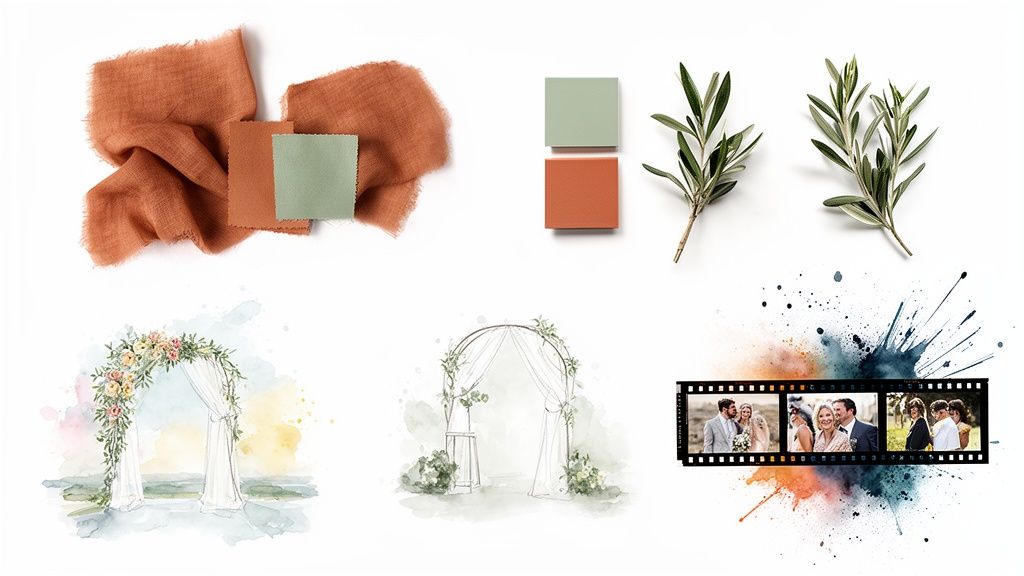
With your venue and date secured, now is the time to build a detailed design concept that complements your chosen location. This goes deeper than a simple Pinterest board; it's about creating a detailed style guide for your celebration. For a Costa Blanca wedding, this might mean developing a Mediterranean-inspired theme using terracotta, sage green, and olive accents that harmonise with the rustic architecture of a local masía.
Alternatively, a beachfront ceremony in Altea could inspire a design focused on flowing white linens, natural textures, and lighting that captures the golden glow of sunset over the sea. The goal is to create an immersive atmosphere. Consider creating two or three distinct concepts to explore different creative directions before committing to a final look that feels authentic to you.
Curating the Details and Key Suppliers
With a clear concept, you can begin selecting the suppliers who will bring it to life. This is the point to book your florist, decor hire company, and lighting designer. Schedule a floral design consultation around four to five months before the wedding to discuss arrangements that match your colour palette and seasonal availability.
Expert Tip: Lighting is one of the most impactful design elements and should be planned early. Dramatic uplighting can transform a modern industrial venue, while strings of bistro lights can add magical warmth to a garden reception.
Ensure every element, from the stationery design to the linen fabrics and cutlery, aligns with your overall aesthetic. Using 3D floor plans or digital renderings can be incredibly helpful to visualise the final layout and ensure a cohesive look. A detailed design board with fabric swatches, reference photos, and colour samples will become an essential tool for communicating your vision clearly to all your creative partners, a service often provided by expert planners like those at EventBliss, who specialise in bespoke styling.
4. Guest Management & Logistics (Months 6-2 Before)
With your core vendors secured, the focus shifts to one of the most operationally intensive stages of a wedding: your guests. This period is dedicated to ensuring everyone you’ve invited feels welcomed, informed, and cared for. It involves a systematic approach to communication, from sending invitations and tracking responses to arranging accommodations and transport, ensuring a smooth and enjoyable experience for all attendees.
Invitations and RSVP Tracking
This is where your guest experience truly begins. For a destination wedding in the Costa Blanca, it's customary to send save-the-dates around four to six months in advance. The official invitations should follow, sent out 8-10 weeks before the wedding day, with an RSVP deadline set for three to four weeks prior. This timeline gives guests ample notice for travel arrangements and gives you a clear headcount for your venue and caterer.
Consider using a wedding website or an online RSVP system to centralise information. These platforms can efficiently track responses, meal choices, and dietary requirements in real-time, which is especially useful for managing a large or international guest list. Multilingual invitations can also be a thoughtful touch for guests travelling from abroad.
Guest Accommodation and Transport
Making travel and lodging straightforward is key to a successful destination wedding. Secure hotel blocks with special rates at establishments in or near Alicante, providing a few options at different price points. Proactively share this information, along with local travel guides and restaurant recommendations, in a welcome email or on your wedding website.
Expert Tip: For weddings with multiple events or venues spread across the Costa Blanca, organised transport is a must. Arranging shuttle services from key hotels to the ceremony, reception, and any pre-wedding gatherings prevents logistical headaches and ensures everyone arrives on time.
Finalising your seating plan is a crucial last step in this phase. Creating a thoughtful arrangement that considers family dynamics and friendships can greatly influence the atmosphere of your reception. For detailed guidance and creative layouts, exploring various table plan ideas for your wedding can provide valuable inspiration. This meticulous planning ensures that the day is as seamless for your guests as it is for you.
5. Logistics Finalization & Rehearsal (Months 3-1 Before)
As you enter the final stretch, the focus shifts from broad planning to meticulous execution. This operational phase is where your vision is translated into a detailed, executable roadmap. It involves confirming every last arrangement with your suppliers, creating minute-by-minute timelines, and rehearsing key moments to ensure a seamless and stress-free wedding day. This is one of the most critical stages of a wedding for preventing day-of chaos.
Creating the Master Timeline
The master timeline is your event’s central nervous system. It’s a detailed spreadsheet that dictates the flow of the entire day, from the first supplier arrival to the final guest departure. Start by listing every single event, including vendor setup windows, photography sessions, ceremony start time, cocktail hour, and reception activities. For a wedding in the Costa Blanca, remember to account for local customs, such as a later start for dinner and a party that extends into the early morning hours.
A well-structured timeline also includes specific cues. For instance, note the exact song for the processional, the moment for lighting changes during the reception speeches, and the timing for the cake-cutting. This document should be shared with your wedding coordinator, venue manager, and key suppliers so everyone is perfectly synchronised. Don't forget to build in buffer time, around 15-30 minutes between major transitions, to allow for natural delays.
Final Confirmations and Rehearsal
With your timeline in hand, begin the process of final confirmations. About three weeks before the wedding, contact every single vendor to review their arrival times, responsibilities, and any outstanding details. Follow up with another quick confirmation one week prior. This is also when you will provide your caterer with the final guest headcount, a crucial step for finalising food orders and seating plans.
Expert Tip: Create a master emergency contact list with phone numbers for all vendors, key family members, and the wedding party. Distribute this to your coordinator and a trusted member of the wedding party to handle any issues discreetly.
The wedding rehearsal, typically held a day or two before the ceremony, is your chance to practice the logistical and emotional flow of the main event. Walk through the procession, the ceremony structure, and the recessional with your wedding party and officiant. This run-through demystifies the process, calms nerves, and ensures everyone knows their role, their cues, and exactly where they need to be.
6. Pre-Wedding Events & Celebrations (Months 2-1 Before)
As the wedding day approaches, this stage shifts focus from pure logistics to celebration and connection. The final two months are dedicated to hosting the events that build excitement and bring your loved ones together. From intimate rehearsal dinners to lively bachelor and bachelorette parties, these gatherings are a key part of the overall wedding experience, creating shared memories before the main event.
Planning Your Pre-Wedding Festivities
The goal of pre-wedding events is to celebrate your union and give guests, especially those travelling, a chance to mingle. Consider hosting a welcome dinner for destination guests arriving in Alicante, featuring local tapas and wine to introduce them to the region's flavours. This gesture helps everyone feel comfortable and settled before the big day.
Other events like bridal showers or bachelor/bachelorette parties should reflect your personalities. A bachelor party in the Costa Blanca could involve a day of watersports followed by a relaxed beachfront barbecue, while a bridal shower might be a sophisticated afternoon tea at a boutique hotel. Coordinating these events through a single planner can ensure a consistent style and feel that complements your main wedding design.
Balancing Celebrations and Avoiding Burnout
While it’s tempting to plan numerous events, it's vital to avoid overwhelming yourselves and your guests. Limiting your festivities to two or three key occasions is often the best approach. This ensures each event feels special and prevents guest fatigue.
Expert Tip: Schedule your events thoughtfully. A welcome dinner the evening before the wedding is perfect for destination guests, while a farewell brunch the morning after provides a relaxed setting to say goodbye. Spacing out other parties, like the stag and hen dos, a few weeks prior gives everyone time to recover.
Incorporating personal touches makes these moments more memorable. Whether it's a slideshow of your story as a couple at the rehearsal dinner or custom cocktails named after meaningful places, these details elevate the experience from a simple gathering to a cherished part of your wedding journey. These celebrations are a wonderful part of the stages of a wedding, bridging the gap between planning and the main event itself.
7. Wedding Day Execution & Coordination (Wedding Day)
This is the culmination of all your planning, the day where every detail, decision, and design choice converges into a living, breathing celebration. As one of the most anticipated stages of a wedding, the day itself is a dynamic event requiring expert management. It's about seamless execution, from the final venue setup and vendor arrivals to managing the timeline and solving any unexpected challenges in real-time, ensuring you and your guests experience nothing but joy.
Real-Time Management and Problem-Solving
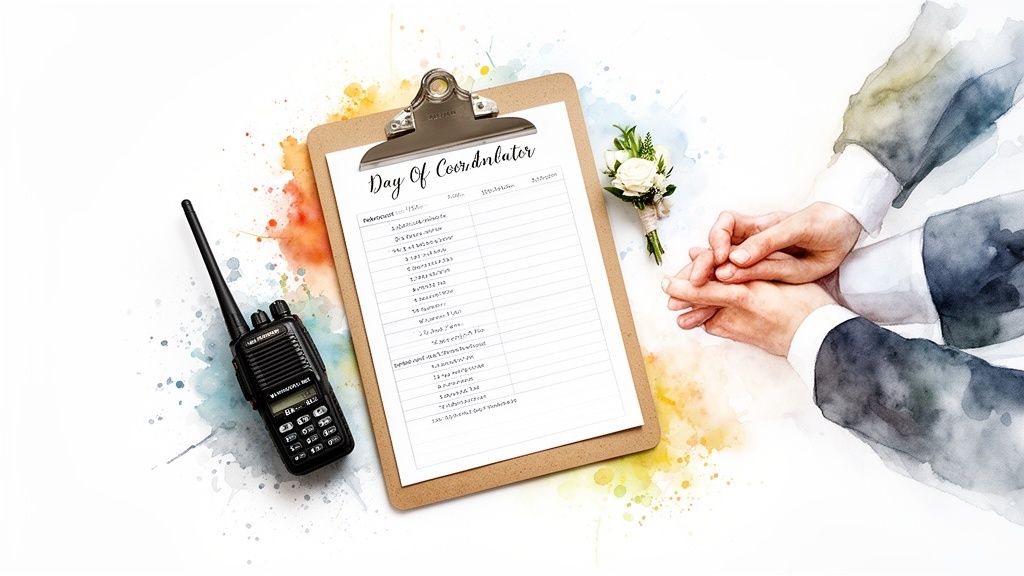
No matter how meticulous your planning, the wedding day will have its own flow. The key is having a dedicated point person, ideally a professional day-of coordinator, to manage this. This individual acts as the central command, directing vendors, guiding guests, and handling issues discreetly. Imagine a beachfront ceremony in Altea where a sudden sea breeze picks up; your coordinator would already be directing staff to secure decorations or deploy a backup plan without causing a single moment of guest concern.
This coordination is vital for maintaining momentum. If the catering service runs slightly behind schedule, a skilled coordinator can adjust the timeline, perhaps extending the cocktail hour with extra entertainment or moving up the speeches, ensuring guests remain happily engaged. It’s their job to make sure vendor transitions, like the DJ taking over from the live band, happen so smoothly that the party's energy never drops.
Timeline Execution and Guest Experience
A well-executed timeline is the backbone of a stress-free wedding day. Your coordinator’s main role is to keep everything on schedule, from your "getting ready" photos (best planned 2-3 hours before the ceremony) to the final farewell. They will have briefed all vendors weeks in advance, providing detailed schedules and contact lists to ensure everyone is synchronised.
Expert Tip: Build 15-30 minute buffers into your timeline between major events like the ceremony, cocktail hour, and reception. This flexibility is crucial for accommodating small delays without derailing the entire day's flow.
This focus on timing allows you to remain present. You won’t be checking your watch or worrying about whether the photographer has the shot list. Instead, you can focus on those priceless, unscripted moments, like pausing with your new spouse to simply watch your loved ones celebrate. Understanding the full scope of this role can be invaluable; you can read about what an event coordinator does to see how they protect your peace of mind and ensure the day is a flawless reflection of your vision.
8. Post-Wedding & Follow-Up (Weeks 1-3 After)
While the confetti has settled and you are basking in newlywed bliss, this final stage of a wedding is essential for bringing your celebration to an organised and thoughtful close. This period involves wrapping up administrative tasks, expressing gratitude, and taking the first steps to preserve the precious memories you've just created. It ensures a smooth transition from wedding planning to married life.
Administrative & Financial Wrap-Up
The first priority after your wedding is to manage all final administrative and financial details. This ensures all your valued suppliers are paid on time and contractual obligations are met, maintaining good relationships and preventing any lingering stress. Start by reviewing all your contracts to confirm final payment amounts and due dates, which are often within two weeks of the event.
Systematically work through each invoice, cross-referencing it with your budget. This is also the time to reconcile any deposits or security payments, ensuring you receive refunds where applicable. A simple spreadsheet can help you track these payments, dates, and amounts, providing a clear final overview of your total wedding expenditure.
Expert Tip: Schedule a specific time, perhaps an hour one evening, to tackle these tasks together. This makes the process feel less like a chore and more like the final, collaborative step in your successful wedding planning journey.
Expressing Gratitude & Preserving Memories
Expressing thanks is a core part of this closing phase. Aim to write and send your thank-you notes within three weeks of the wedding, while the emotions and specific contributions of your guests are still fresh in your mind. A personalised note acknowledging their specific gift and presence makes your appreciation feel genuine and heartfelt.
This is also the time to begin collecting and organising your wedding photos and videos. Your photographer will likely provide a sneak peek gallery shortly after the wedding, with the full gallery often delivered within 4-6 weeks. Create a shared digital album where guests can upload their candid shots, giving you a wonderful, multi-perspective view of your day. Begin thinking about which images you'll want for a physical album, preserving these moments for years to come.
8-Stage Wedding Planning Comparison
| Stage | 🔄 Implementation Complexity | 💡 Resource Requirements | ⭐ Expected Outcomes | 📊 Ideal Use Cases | ⚡ Key Advantages |
|---|---|---|---|---|---|
| Engagement & Vision Setting (Months 12–9) | Low–Moderate: research and decision-making | Mood boards, budgeting tools, planner consults, venue research | Aligned vision, realistic budget, prioritized milestones | Couples defining style/budget; early destination planning | Sets foundation; reduces decision fatigue and guides spending |
| Vendor Selection & Contracting (Months 9–6) | High: intensive research, visits, negotiations | Vendor portfolios, site visits, contracts, deposit funds, comparison spreadsheets | Booked key vendors, clear terms, improved availability | Peak-season dates; popular venues; destination events | Secures availability and pricing; clarifies expectations |
| Design & Styling Development (Months 8–4) | Moderate–High: creative iterations and sourcing | Designers, florists, lighting specialists, renderings, swatches | Cohesive aesthetic, improved photos, clear vendor guidance | Bespoke themes; venue transformations; photo-forward events | Enhances visual impact and guest experience |
| Guest Management & Logistics (Months 6–2) | Moderate: administrative tracking and communication | RSVP platforms, accommodation blocks, transport vendors, spreadsheets | Accurate headcount, organized seating, smoother guest travel | Large or international guest lists; destination weddings | Prevents last-minute confusion; ensures guest needs met |
| Logistics Finalization & Rehearsal (Months 3–1) | High: minute-by-minute timelines and contingencies | Master timeline, vendor confirmations, staffing plan, rehearsal | Day-of clarity, identified issues resolved pre-event | Complex schedules, multi-venue or outdoor weddings | Minimizes surprises; ensures coordinated execution |
| Pre-Wedding Events & Celebrations (Months 2–1) | Low–Moderate: extra event coordination | Local venues, entertainment, welcome packages, planner support | Strengthened guest connections, added photo/content opportunities | Multi-day destination weekends; groups wanting social events | Builds anticipation; helps guests acclimate |
| Wedding Day Execution & Coordination (Wedding Day) | Very High: real-time management and problem-solving | Day-of coordinator, vendor team, communication tools (headsets/phones) | Seamless execution, couple able to enjoy the day | All weddings; essential for large/complex or destination events | Resolves issues instantly; preserves couple experience |
| Post-Wedding & Follow-Up (Weeks 1–3 After) | Low: administrative wrap-up and reconciliation | Final invoices, photo galleries, thank-you templates, gift tracking | Financial closure, preserved memories, vendor feedback | All weddings for closure and recordkeeping | Completes process; maintains vendor relations and records |
Your Seamless Celebration Starts Here
Navigating the journey from a hopeful "yes" to a heartfelt "I do" is an extraordinary process, marked by distinct yet interconnected phases. This guide has broken down the complex timeline into eight manageable stages of a wedding, offering a clear roadmap from your initial engagement vision to the final post-wedding follow-ups. By understanding each stage, from vendor selection in months nine to six, to the final logistics checks in the last few weeks, you transform a potentially overwhelming task into a series of achievable milestones.
The key takeaway is that successful wedding planning is not about tackling everything at once. It is a methodical progression. Each stage builds upon the last: your early vision informs vendor choices, your vendor team helps execute design concepts, and solid logistical planning ensures your wedding day runs smoothly. This structured approach is your best defence against stress, allowing you to remain present and enjoy the process.
Key Insights for Your Alicante Wedding Journey
For couples planning their celebration in the beautiful Costa Blanca, this structured approach holds even greater significance. A destination wedding introduces unique variables, from local supplier nuances to guest travel logistics. Let's recap the most critical takeaways to ensure your Alicante wedding is as serene as its Mediterranean backdrop.
- Embrace Local Expertise Early: As we explored in the "Vendor Selection & Contracting" stage, engaging with Alicante-based professionals early is a game-changer. They possess invaluable local knowledge, from the best golden hour photo spots at a Finca to navigating the siesta schedules of smaller, family-run suppliers.
- Prioritise Guest Experience: In the "Guest Management & Logistics" phase, we highlighted the importance of clear communication. For a destination wedding, this is paramount. Providing detailed information on accommodation blocks, transport options from Alicante-Elche Airport (ALC), and a schedule of events makes your guests feel valued and cared for, setting a positive tone for the entire celebration.
- Connect Design to Your Surroundings: Alicante’s natural beauty, from its sun-drenched beaches to its rustic inland fincas, offers a stunning canvas. As discussed in "Design & Styling Development," the most memorable weddings are those that feel connected to their location. Use local flora like bougainvillaea and olive branches, or incorporate regional colours and textures into your decor for an authentic, cohesive aesthetic.
A Note on Flexibility: While a detailed plan is your foundation, remember that the true art of event management lies in adaptability. A sudden gust of wind on the coast or an unexpected delay can happen. Trusting the plan and the professional team you have built allows you to handle these moments with grace, rather than panic.
From Blueprint to Beautiful Reality
Ultimately, understanding the stages of a wedding is about more than just ticking boxes on a checklist. It is about creating a framework that gives you control, clarity, and most importantly, peace of mind. This process empowers you to make informed decisions, allocate your budget wisely, and protect your time and energy.
Your wedding is not merely a single day; it is the culmination of a year-long project of love and collaboration. By breaking it down, you give yourself the space to savour each moment, from the excitement of your engagement party to the quiet joy of looking through your wedding photos for the first time. The goal is to arrive on your wedding day feeling relaxed, prepared, and ready to fully immerse yourself in the celebration you have so carefully orchestrated. This structured path is your route to a seamless, joyful, and deeply personal event that truly reflects your story.
Ready to move from planning to perfection? If you want an expert partner to manage every stage of your wedding in Alicante, from concept to coordination, EventBliss specialises in creating flawless celebrations. Visit us at EventBliss to see how we can turn your vision into an unforgettable reality, allowing you to simply enjoy the journey.